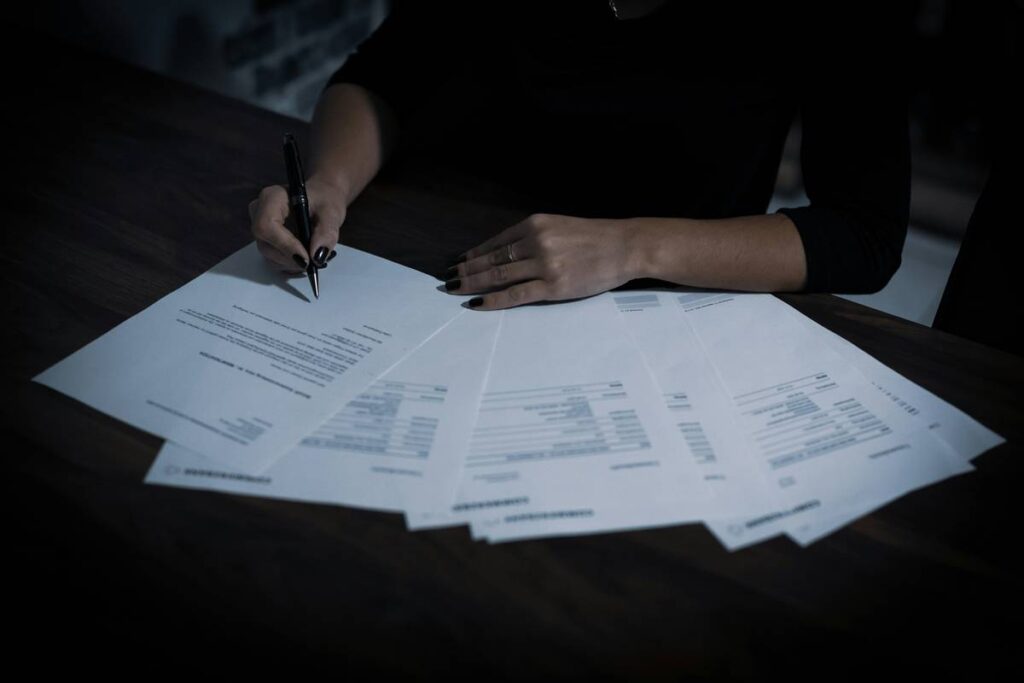
Ever delivered killer work—only to chase a client for 90 days just to get paid? Or worse, had someone ghost you after you sent the final files? You’re not alone. A 2023 Upwork survey found that 68% of freelancers have experienced late or non-payment at least once in their careers.
If you’re diving into freelancing—whether through courses, side gigs, or full-time hustle—you can’t afford to skip the legal and financial guardrails. That’s where mastering freelance agreement basics comes in. No, it’s not glamorous. Yes, it’s non-negotiable.
In this post, I’ll walk you through why agreements matter, what they must include, how to spot red flags, and real tools that make drafting them painless—even if you’ve never read a contract before. Based on my 7 years as a freelance finance writer (and one disastrous “handshake deal” with a startup that vanished like crypto in a bear market), this guide blends hard-won lessons with lawyer-approved standards.
You’ll learn:
- Why a verbal “deal” is a financial time bomb
- The 6 non-negotiable clauses every freelance agreement needs
- Free + easy tools to generate professional contracts in minutes
- Real horror stories (and recoveries) from freelancers like you
Table of Contents
- Why Freelance Agreements Matter (Even for $50 Gigs)
- Step-by-Step: Building Your First Freelance Agreement
- 5 Best Practices That Prevent Payment Nightmares
- Real Stories: When Agreements Saved (or Cost) Freelancers Thousands
- FAQs About Freelance Agreement Basics
Key Takeaways
- A freelance agreement isn’t just legal fluff—it’s your financial safety net.
- Never start work without signed terms covering scope, payment, and IP ownership.
- Use free tools like HelloSign, Bonsai, or PandaDoc to create vetted templates.
- Late payments cost U.S. freelancers an estimated $3 billion annually (Freelancers Union).
- Your agreement protects both you and your client—clarity builds trust.
Why Freelance Agreements Matter (Even for $50 Gigs)
Let’s be real: when you’re starting out via freelancing courses or gig platforms, you might think, “It’s just a small job—I don’t need paperwork.” Famous last words.
I learned this the hard way in 2017. I took a “quick” $300 blog project from a shiny new e-commerce brand. We agreed over email—no formal doc. I delivered on time. They loved it. Then… silence. Ten follow-ups. Radio. Crickets. To this day, that $300 is MIA—along with the 4 hours I spent chasing it. That’s $75/hour of lost income for free.
The truth? Scope creep, payment delays, and IP disputes thrive in ambiguity. A written agreement kills ambiguity dead.
According to the Freelancers Union, 71% of freelancers who use written contracts report fewer conflicts—and faster payments. It’s not about distrust; it’s about professionalism. Even Fortune 500 companies won’t start work without signed SOWs (Statements of Work).

Step-by-Step: Building Your First Freelance Agreement
You don’t need a law degree—just these six clauses. Skip any, and you’re rolling dice with your income.
What Should Be in Every Freelance Agreement?
Optimist You: “Just fill out a template—it takes 10 minutes!”
Grumpy You: “Ugh, fine—but only if I can do it while doomscrolling TikTok.”
Here’s your bare-minimum checklist:
- Parties Involved: Full legal names (yours and the client’s). No “hey man” or “the website guy.”
- Scope of Work: Exactly what you’ll deliver—and what’s not included. (e.g., “2 blog posts of 1,000 words each, SEO-optimized. Does not include social promotion.”)
- Payment Terms: Amount, due dates, late fees (yes, charge them!), and method (PayPal, bank transfer, etc.). Specify if it’s milestone-based or flat fee.
- Timeline & Deadlines: Project start/end dates + revision windows. “ASAP” is not a deadline.
- Intellectual Property (IP) Rights: Who owns the work when it’s done? Typically, you retain copyright until paid in full—then it transfers.
- Kill Fee / Termination Clause: If the client cancels mid-project, you still get paid for completed work (e.g., 50% of total).
Tools That Generate Lawyer-Reviewed Agreements in Minutes
Stop Googling “free contract template”—most are outdated or jurisdiction-specific. Use these instead:
- HelloSign: Free plan includes e-signing + basic templates. HIPAA-compliant if you handle sensitive data.
- Bonsai: Built for freelancers. Auto-generates contracts tied to invoices, time tracking, and tax prep.
- PandaDoc: Drag-and-drop editor with clause library. Great for recurring clients.
All three integrate with Stripe, PayPal, and QuickBooks—so your contract flows straight into your financial workflow.
5 Best Practices That Prevent Payment Nightmares
Now that you’ve got the skeleton, here’s how to bulletproof it:
- Always Get It Signed Before Work Starts: No exceptions. Not even for your cousin’s friend’s dog-walking startup.
- Require a Deposit: 30–50% upfront is standard. It filters out tire-kickers.
- Define “Revisions” Clearly: “Unlimited edits” = free labor. Say “two rounds of minor revisions included.”
- Specify Governing Law: Add “This agreement is governed by the laws of [your state/country].” Avoids cross-border chaos.
- Store Contracts Securely: Use Google Drive folders labeled by client + date. Lost contracts = lost leverage.
Real Stories: When Agreements Saved (or Cost) Freelancers Thousands
Case Study 1: The Ghost Client (And How a Contract Saved $2K)
Maria, a freelance graphic designer, used Bonsai to draft a contract for a logo redesign ($1,800). The client paid a 50% deposit, then went silent after delivery. Because her contract included:
– IP transfer only upon full payment
– A 1.5% monthly late fee
…she legally withheld the final files and escalated to a collections agency. She recovered $1,920 (including fees) in 45 days.
Case Study 2: The “Just One More Thing…” Trap
Jamal, a new copywriter from a popular freelancing course, didn’t define scope clearly. His “one landing page” turned into 5 pages, 3 emails, and a webinar script—all unpaid. Total loss: ~$1,200. Afterward, he adopted Bonsai’s scope-of-work builder and now caps unpaid requests at 1 hour/week.
FAQs About Freelance Agreement Basics
Do I need a lawyer to write my freelance agreement?
No—if you use trusted templates from tools like Bonsai or LawDepot (reviewed by attorneys). But for complex projects (e.g., equity compensation), consult a lawyer.
Can I use a verbal agreement?
Technically yes, but it’s unenforceable in most courts. Per the Statute of Frauds, contracts over $500 often require written proof.
What if my client refuses to sign a contract?
Walk away. Seriously. As finance expert Ramit Sethi says: “If they won’t protect you, they won’t pay you.”
Are freelance agreements different by country?
Yes! In the EU, GDPR clauses may apply. In California, AB5 affects contractor classification. Always specify your jurisdiction.
How often should I update my agreement?
Review annually—or whenever tax laws change (like IRS Form 1099-NEC updates). Also after any dispute resolution.
Conclusion
Mastering freelance agreement basics isn’t about being “corporate”—it’s about respecting your time, skills, and financial security. Whether you’re just finishing a freelancing course or booking your 50th client, a solid contract is your first line of defense against scope creep, non-payment, and legal gray zones.
Remember: the best client relationships start with clarity, not crossed fingers. Use free tools, demand deposits, and never apologize for protecting your livelihood.
Now go forth—and get paid what you’re worth. 💸
Like a Tamagotchi, your freelance business needs daily care. Feed it clear contracts, water it with boundaries, and watch it thrive.